
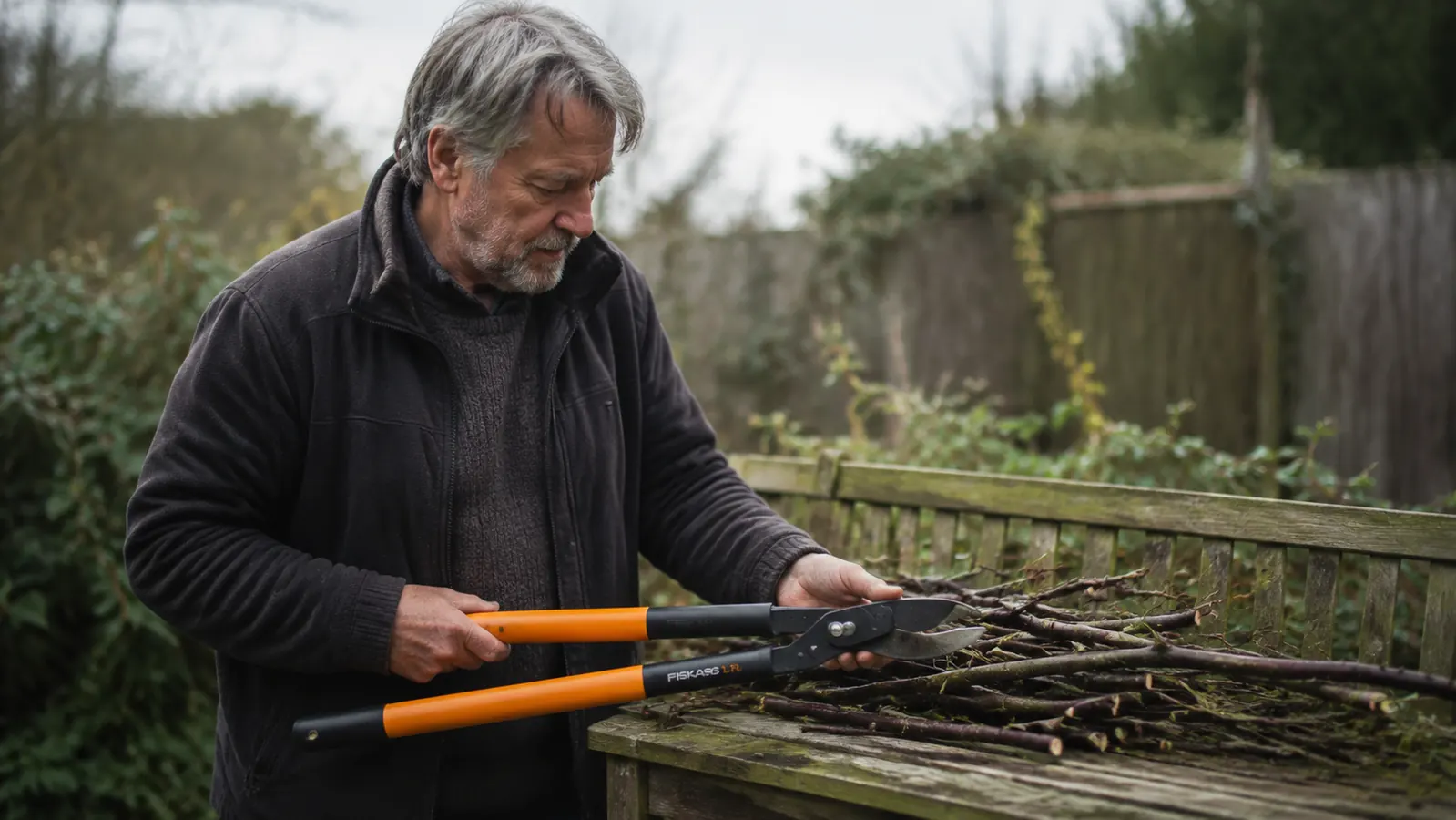
Every pair of loppers on Amazon has a wall of five-star reviews that all sound the same. Best purchase ever. Cuts through anything. Wish I'd bought these years ago. After enough overgrown hedges and enough snapped cheap pruners, you stop trusting that chorus. It starts to sound less like real feedback and more like marketing wearing a customer's name tag. So when I finally bought the Fiskars 28-inch bypass loppers last fall, I went in skeptical, half expecting another orange-handled letdown to join the pile of tools already gathering dust in my garage.
The false choice I kept running into online was anvil versus bypass, cheap versus expensive, buy-once versus replace-every-other-year. Nobody selling either one tells you what actually goes wrong six weeks in. So here's the honest version, the part that never makes it into a glowing Amazon review. What the Fiskars handles genuinely feel like after a full afternoon of cutting, where the blade actually struggled, and the one design detail that annoyed me every single time I reached for them.
The Quick Verdict
A genuinely capable bypass lopper that earns its keep on thick, woody growth, but the marketing oversells the sharpening claims and the size is more awkward in storage than any listing photo shows you.
Amazon Check Today's Price →Tired of Pruners That Crush Instead of Cut?
If your hand pruners are bruising green wood and bouncing off anything thicker than a pencil, you've outgrown them. The Fiskars 28-inch bypass loppers are built for exactly the branches your current tool can't handle.
Amazon Check Today's Price on Amazon →How I Actually Tested These (Not Just an Afternoon)
I didn't want to write a review based on one enthusiastic weekend, because that's exactly what most of the glowing reviews online read like. So I kept these loppers on the back porch for ten straight weeks last fall, from the first cool morning in September through the last cleanup before the ground froze, and I used them on whatever actually needed cutting instead of staging some ideal test branch for a photo.
The real test case was a stretch of wild blackberry canes that had crept along my back fence for two summers, thick, thorny, and tangled with a leggy old lilac hedge I'd been putting off. I also used them on suckers coming up from a crabapple stump and a stand of overgrown viburnum near the shed. None of it was tidy, controlled test-lab cutting. It was the messy, real backyard work these tools actually get bought for.
I kept a running note on my phone every time I used them, mostly complaints and small surprises, because that's what actually tells you whether a tool holds up. Some weeks I used them twice, other weeks not at all when the weather turned. By the time I sat down to write this, I had a real record instead of a first impression, and a few things in that record contradicted what the product listing implies.
One log entry from mid-October sums up the whole experience: blackberry canes, thumb thick, no problem, but the lopper head is heavier than it looks after twenty minutes working overhead. That kind of small, slightly annoyed note is exactly what a one-afternoon review can't capture, and it's the reason I trust ten weeks of scattered, ordinary use over a single glowing unboxing video.
What the Five-Star Reviews Don't Mention
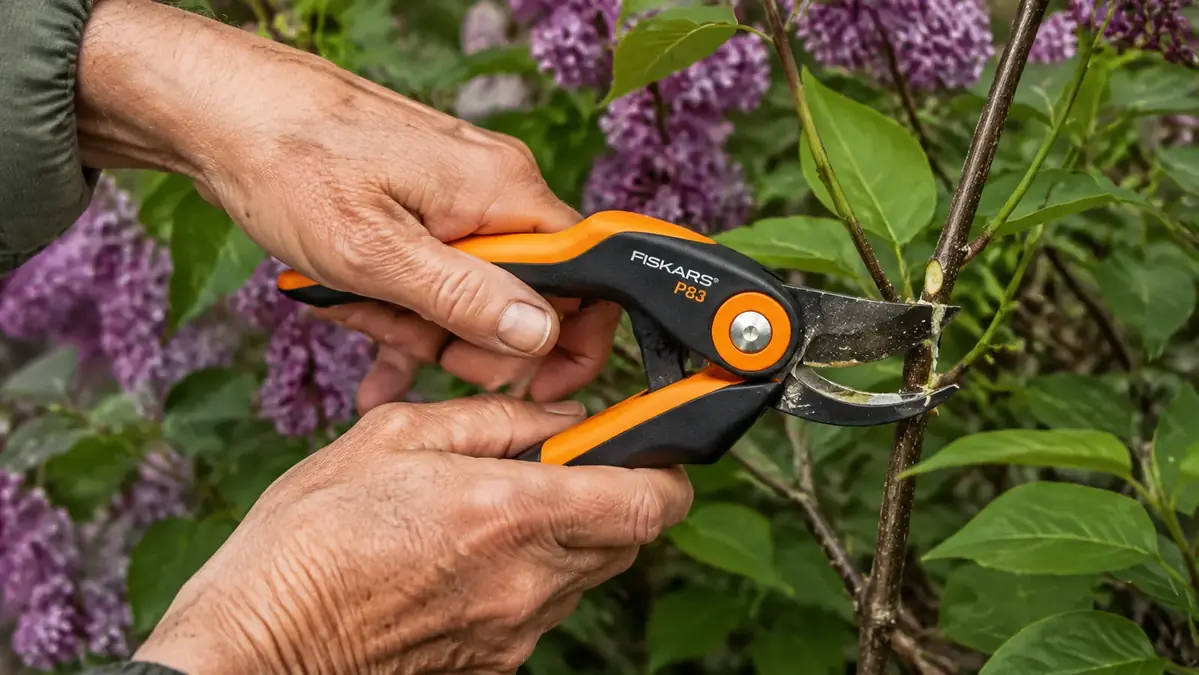
Here's the first thing nobody warns you about. The bright orange coating on the handles, the one everyone praises for being easy to spot in a pile of leaves, stains. Blackberry juice and lilac sap left faint dark smudges on mine within the first month, and no amount of scrubbing with a rag and dish soap got them fully back to that showroom orange. It's cosmetic, it doesn't affect how the tool cuts, but if you're the type who likes your garden tools looking new, know that going in.
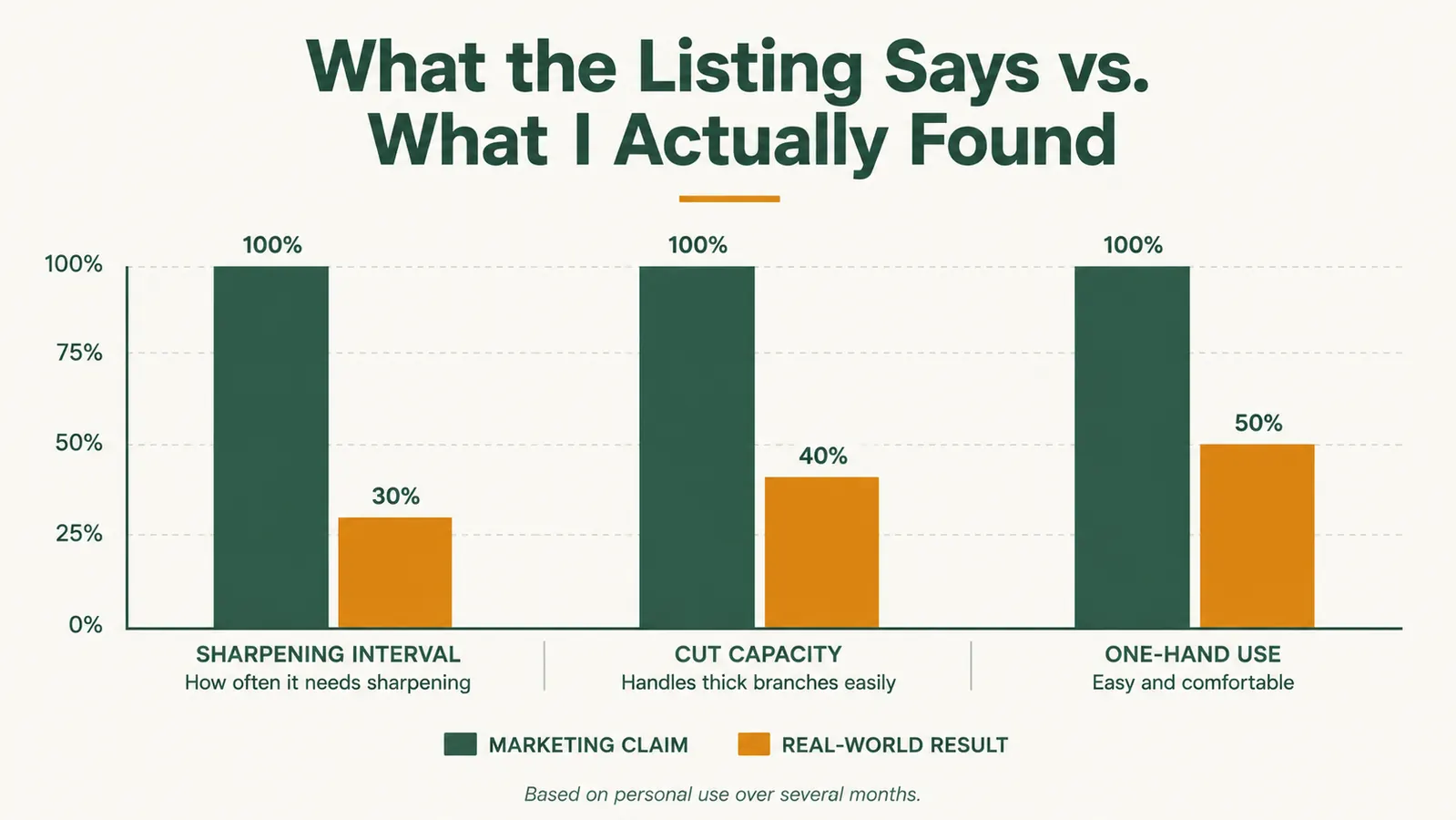
Second, the low-friction blade coating that Fiskars advertises as reducing sap buildup does help, but it's not the sap-proof fix some reviews make it sound like. On the blackberry canes, which are sappier than most people expect, I still had to wipe the blade down every hour or so of steady cutting or the action started to feel gummy. It's a real improvement over a bare steel blade, just not a total fix.
Third, and this is the one that actually irritated me, storage is genuinely awkward. At 28 inches, these don't hang neatly on most standard pegboard hooks, and they don't fit in a five-gallon bucket with your other hand tools. I ended up leaning them in a corner of the garage for two weeks before I bought a longer hook specifically for them. If your storage space is tight, budget for that extra step, because the listing photos never show you where the thing actually lives when you're not using it.
Fourth, the packaging itself generates more cardboard and plastic tie-wrap than you'd expect for a hand tool, and freeing the loppers from the twist-ties without nicking your knuckles on the blade edge is its own small annoyance nobody warns you about. It's a minor gripe in the scheme of things, but it's exactly the kind of first-five-minutes friction that never shows up in a review written well after the packaging is long gone and forgotten.
The Blade Claim That's Half True
Fiskars markets the blade as hardened, precision-ground steel rated for branches up to 1.5 inches in diameter, and that number is real. I tested it against lilac stems close to that thickness and the bypass action sliced through in one clean motion, no crushing, no tearing bark. On green, live wood, the claim holds up completely.
Where it gets murkier is dry, seasoned wood, the kind you find on old crabapple suckers or dead viburnum canes that have been standing a year or two. On that material, anything past an inch took real effort, sometimes two or three squeezes to finish a cut I expected to close in one. That's not a defect, bypass tools generally struggle more with dry wood than green, but it's also not something the marketing copy differentiates. If most of your cutting is on live growth, you'll be thrilled. If you're clearing deadwood, temper your expectations.
The edge itself held up reasonably well. After roughly six weeks of steady use, I noticed I was working harder on anything over an inch, and a few strokes with a hand file brought it back in about ten minutes. That's a normal maintenance interval for a tool this size, not a flaw, but it does mean the never-needs-sharpening impression some reviewers give is misleading. Every blade dulls. This one just dulls at a fair, predictable rate.
There's also a claim floating around in some reviews that you can operate these one-handed on smaller branches. Technically true, but only on stems well under an inch, and only if your grip strength is above average. On anything close to the rated capacity, I needed two hands and my full body weight behind the squeeze, which is normal for a lopper this size, but worth knowing if a listing photo shows someone casually snipping one-handed.
Comfort After an Hour, Not After Five Minutes
Most reviews talk about grip comfort after a quick test cut in the driveway, which tells you almost nothing. The real question is how your hands feel after forty-five minutes of steady squeezing on a real cleanup job, and that's where these loppers mostly earned their reputation. The shock-absorbing bumper at the base of the handles genuinely softens the jolt when the blades snap shut on a thick branch, and I noticed the difference most on the crabapple suckers, which were dense enough to jar my wrist without it.
What surprised me was where the fatigue actually showed up. It wasn't my hands, it was my shoulder. The 28-inch handles give you leverage, which is the whole point, but holding that length extended and angled into a hedge for long stretches works muscles you don't think about until they're sore the next morning. Nobody mentions this in the reviews that praise the leverage, because leverage and shoulder fatigue are really the same tradeoff described from two different angles.
The rubberized grip texture on the handles stayed solid even when my gloves were damp from morning dew, which mattered more than I expected in early October cutting sessions. I never had the loppers slip mid-cut, and for a tool putting real force through your hands, that's not a small thing to get right.
I also want to be honest about grip size. My hands are average for a woman my age, and the handle spread felt right, but a gardening friend with smaller hands found the fully open span a stretch for a comfortable grip. If you've got smaller hands, try these in person before buying if you can, since the handle geometry isn't adjustable.
The Cheaper Loppers I Almost Bought Instead
Before landing on these, I seriously considered a store-brand anvil lopper that ran a few dollars less. Anvil loppers close a single blade down onto a flat plate rather than sliding past it, and they're often marketed as better for deadwood. I borrowed a neighbor's for a test run on a dead viburnum branch, and it did split through with less resistance. But on a live lilac cane, it crushed the bark badly enough that I could see the damage would slow the plant's healing, which is exactly the tradeoff bypass tools are built to avoid.
I also looked at a shorter 22-inch bypass model from the same Fiskars line, which would have solved my storage complaint entirely and been lighter to carry around the yard all afternoon. But the cutting capacity drops to around an inch on that version, and given how much of my cleanup involved thicker canes, I knew I'd be frustrated within the first month. The extra length is a real tradeoff, not a wasted feature.
On price, the Fiskars loppers sit solidly in the middle of what's out there, not the cheapest bypass option on the shelf and nowhere near the priciest. After ten weeks of actual use, that middle-of-the-road cost feels justified rather than padded, though I'd encourage you to check today's price before deciding, since it does shift from time to time.
What I Liked
- Clean bypass cut on live wood up to the full 1.5-inch rated capacity, with no bark crushing
- Shock-absorbing bumper noticeably reduces wrist jolt on thick branches over long sessions
- Rubberized grips stay secure even when gloves are damp
- Sits in a fair mid-range price for a lopper built to last multiple seasons
- Bright handles are easy to spot when set down in leaves or brush, staining aside
Where It Falls Short
- Orange handle coating stains from sap and doesn't fully scrub clean
- 28-inch length is awkward to store on standard hooks or in a bucket with other tools
- Loses efficiency on dry, seasoned deadwood compared to live green wood
- Blade needed a hand-file touch-up after about six weeks of regular use
- Extended reach tires the shoulder before the hands give out
The reviews all told me these loppers were flawless. What they didn't tell me was that flawless still means a stained handle, a sore shoulder, and a blade that needs a file every six weeks. Once I accepted that, the tool made a lot more sense.
Who This Is For
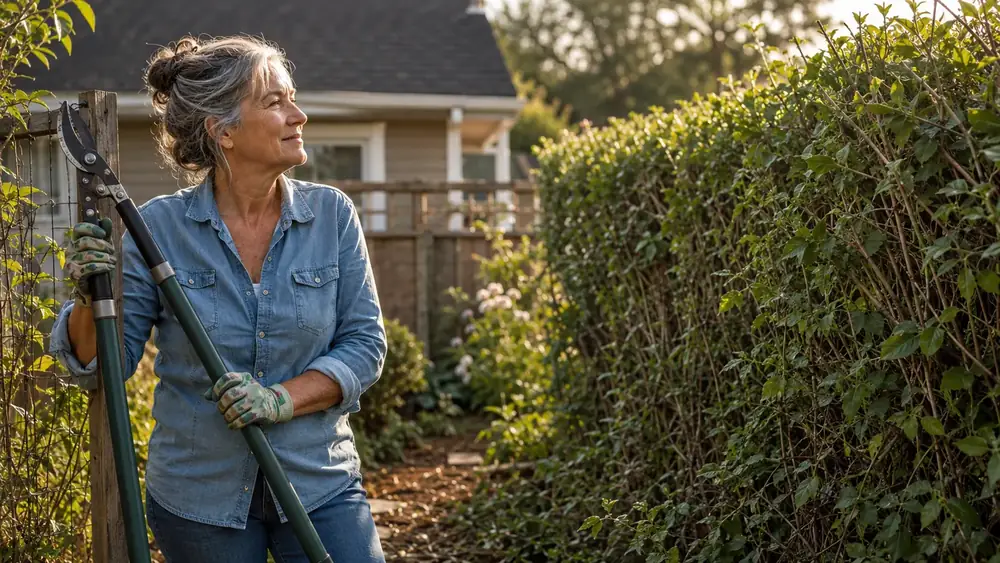
If you're dealing with established shrubs, an overgrown hedge, or a run of thick suckers your hand pruners can't get through, this is the honest recommendation: buy the Fiskars, expect the small annoyances above, and use it anyway. It's especially worth it if most of what you're cutting is live, green growth rather than dry deadwood, since that's where the bypass blade performs closest to what the listing promises.
It's also a solid pick if you manage a bigger property than a typical suburban lot, somewhere in the half-acre-plus range with mixed shrubs and the occasional volunteer sapling, because you'll run into thick canes and deadwood often enough that a shorter tool would leave you frustrated.
Who Should Skip It
If your yard work is mostly deadheading, light shaping on young shrubs, or trimming soft new growth in raised beds, this is more tool than you need. A good pair of hand pruners will do the job with less weight, less storage hassle, and a lower cost. And if the bulk of your cutting is seasoned deadwood rather than live canes, an anvil-style lopper may actually give you an easier afternoon, even if it's rougher on live plant tissue.
If you have limited garage or shed space and can't dedicate a hook or corner to a 28-inch tool, factor that storage reality in before buying, because it genuinely changes the day-to-day experience of owning these. A shorter bypass model might serve you better even with less cutting capacity.
Now You Know What the Five-Star Reviews Leave Out
The Fiskars loppers earned their spot in my shed, stained handles and all. If your pruners have been losing to anything thicker than a finger, it's worth seeing today's price for yourself.
Amazon Check Today's Price on Amazon →